
Posts by Vineeth
Cambridge Children’s Hospital Innovation Hub Wins National Award for Genomic Breakthrough in Childhood Cancer
Rosetrees is proud to congratulate the team at the Cambridge Children’s Hospital (CCH) Innovation Hub on winning the “Further, Faster Together” award at the Cancer Research Horizons Innovation and Entrepreneurship Awards. This prestigious national prize celebrates outstanding collaborations between academia and industry that are accelerating progress in cancer research and care. The CCH Innovation Hub,…
Read MoreFighting Superbugs: Award for Synthetic Teixobactins Platform
We are delighted to share the news that Dr. Ishwar Singh, a Rosetrees-funded researcher at the University of Liverpool, has won the Health Category prize in the 2025 Royal Society of Chemistry (RSC) Emerging Technologies Competition for his work on the Synthetic Teixobactins platform. This award recognises high-potential technologies that offer solutions to global challenges,…
Read MoreAI to help develop treatments for MND
A new research project at University College London aims to use artificial intelligence (AI) to develop treatments that attack diseased cells while sparing healthy ones in MND patients. This will enable safer delivery of gene therapies. The project, led by Dr Oscar Wilkins, follows recent research on the nuclear protein, TDP-43, that in healthy people…
Read MoreNew insights into how the brain controls neuronal activity
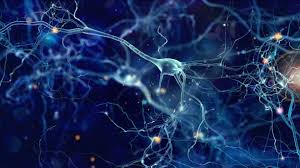
A Rosetrees-funded study has shed new light on the mechanisms underlying brain stability with important implications for psychiatric conditions. Researchers identified key processes that enable neurons in the cerebral cortex to maintain a precise balance between excitation and inhibition—a balance essential for normal cognitive function, learning, and brain plasticity. However, during changes in brain activity,…
Read MoreNew AI-based system to help treat paediatric patients in intensive care

UK researchers at Imperial College have teamed up with the Children’s Hospital of Orange County (CHOC) in California to develop AI support systems for paediatric intensive care. The researchers, aided by clinicians, are training an ‘AI Clinician’ model to help paediatric doctors make complex decisions and provide faster and more accurate treatment recommendations for critically…
Read MoreUncovering Cancer’s Weak Spots: Dr. Stefan Antonowicz Awarded Fellowship for Innovative Oesophageal Cancer Research
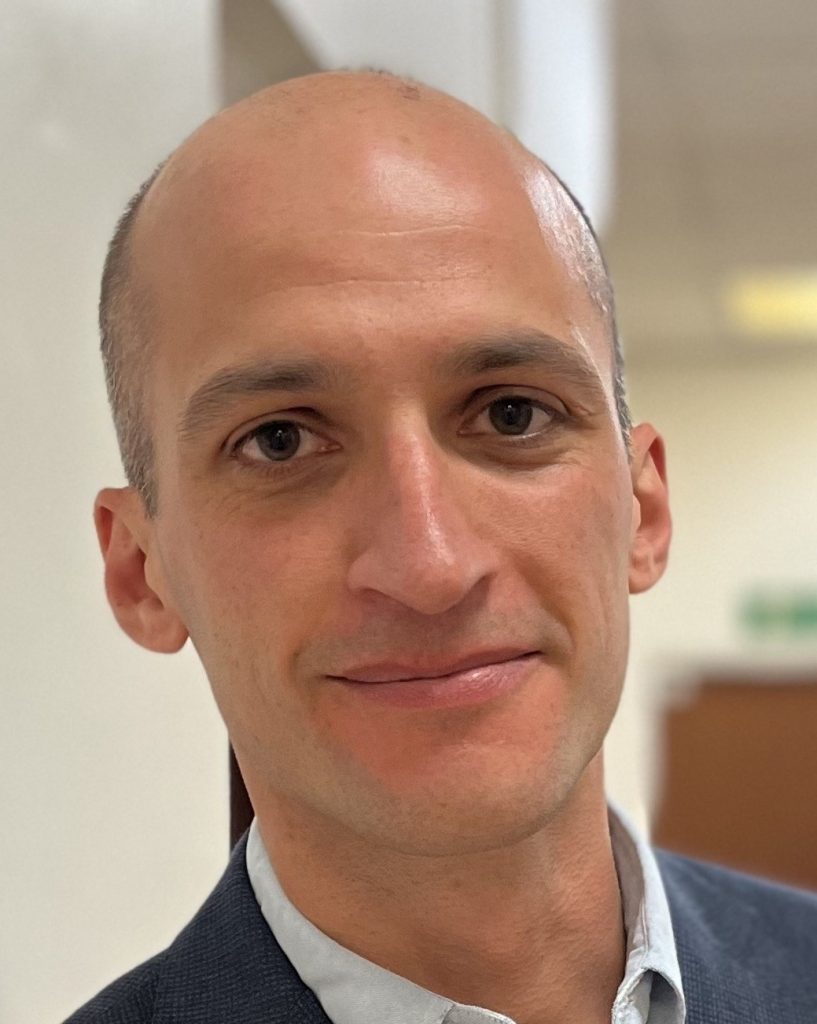
Rosetrees is proud to be jointly funding a Clinician Scientist Fellowship with Cancer Research UK (CRUK), supporting Dr. Stefan Antonowicz in his pioneering research to improve outcomes for patients with oesophageal adenocarcinoma—a particularly aggressive and hard-to-treat form of cancer. This partnership exemplifies our shared commitment to funding cutting-edge research that can lead to real-world patient benefit. Dr…
Read More‘FUTURE MINDS CAMPAIGN’ WARNS OF A TRILLION-POUND COST OF FAILING TO TACKLE THE CHILDREN’S AND YOUNG PEOPLE’S MENTAL HEALTH CRISIS
Four of the UK’s leading children and young people’s mental health organisations have joined forces to launch the ‘Future Minds Campaign’, calling on the Government to deliver urgent reform and investment to boost children’s mental health services in its forthcoming Spending Review and 10 Year NHS Plan. New Research from Future Minds Campaign New research…
Read MoreHuge rise in mental health admissions for young people in last decade
Admissions of children (up to the age of 18) with mental health conditions to general acute medical wards in England rose by 65% between 2012 and 2022, according to a new study by UCL researchers. This means that doctors are treating almost 40,000 children with acute mental ill health in general wards every year, up…
Read MoreNew study reveals how immune cells play a key role in movement

In a groundbreaking collaborative study supported by Rosetrees, scientists from Imperial College London and the University of Copenhagen have unveiled a novel mechanism by which specialised macrophages control muscle contraction and locomotion. Their discovery contrasts with the previous assumption that movement is only controlled by the nervous system. The researchers identified a macrophage population, known…
Read MoreNew study reveals molecular causes of rare neurological condition in children
A new study led by Rosetrees-funded scientists at UCL Queen Square Institute of Neurology has identified the molecular defects underlying a complex developmental brain condition in children. The researchers investigated the role of a specific regulatory protein in the brain known as acyl-CoA-binding domain-containing protein 6, or ACBD6. Up until now, the implication of defects…
Read More